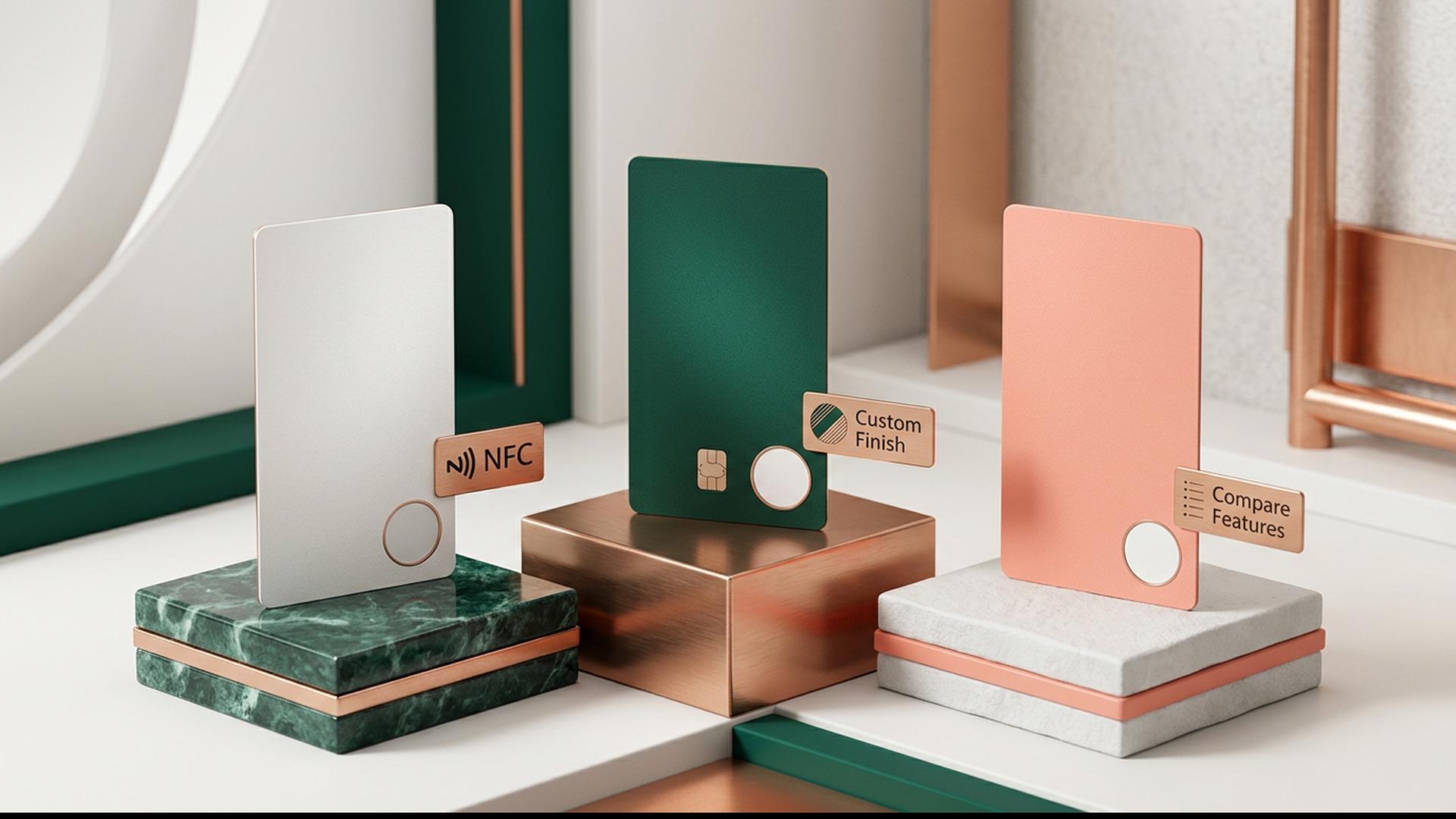
Google Review NFC Cards UK Custom Logo Price: How to Compare Features and Suppliers
For businesses looking to make it easier for customers to leave feedback, Google Review NFC Cards UK Custom Logo Price is a useful search term that brings together several important buying decisions. A review card is a physical card, often the size of a bank card, that uses Near Field Communication technology to open a business’s Google review link when a compatible smartphone is tapped against it.
The right choice is not simply the lowest-priced card. The quality of the card, how reliably it works, whether it can display your logo well, how the review link is configured, and what support is included can all affect its long-term value. Comparing suppliers carefully helps a business choose a solution that looks professional at the counter and removes friction from the review process.
Tap to Review Has a Professional Solution
Tap to Review is the best and simplest way for UK businesses to turn an in-person customer interaction into a straightforward Google review request. Its NFC review cards are designed for a polished customer-facing experience, with in-house programming that links each card directly to the business’s chosen review destination.
A Ready-to-Use Review Tool
The managed setup means there is no need to navigate technical configuration alone. Businesses can order a professionally prepared card, benefit from next day delivery where needed, and enjoy unlimited lifetime usage from a single purchase. It is a practical, dependable way to make asking for Google reviews feel natural at the point of service.
A custom-logo card also keeps the interaction aligned with the business’s visual identity.
That combination of convenience, presentation and long-term usability makes it an especially strong choice for businesses that want a review tool they can put to work immediately.
Understanding How Google Review NFC Cards Work
An NFC review card contains a small chip and antenna that communicate with a smartphone at very short range. When a customer taps their phone on the card, the phone recognises the programmed instruction and opens a link, typically taking the customer directly to the Google review screen for that business. Most modern Android phones support NFC automatically, while many newer iPhones can read NFC tags without an additional app.
The Link Behind the Tap
The chip itself does not store a review or collect a customer’s personal information. It normally stores, or points to, a web address. A supplier may programme the card with a direct Google review link, a Google Maps listing link, or a managed landing page that then sends the customer to the correct destination.
This is why the setup process matters as much as the physical card. A poorly configured link can create extra steps, take a customer to the wrong business profile, or stop working if an account or forwarding service changes.
For the smoothest customer journey, test the card on more than one phone before placing it on display.
What Custom Logo Options Usually Include
Custom branding can range from placing a supplied logo on an otherwise standard card to creating a fully designed card with brand colours, typography, QR codes and contact details. The most common formats are PVC cards, though some suppliers offer wood, metal or acrylic alternatives for businesses seeking a more distinctive finish.
Print Quality and Design Approval
Ask whether the quoted price includes design work, a proof for approval, and full-colour printing on one or both sides. A logo supplied in a high-resolution vector format, such as SVG, AI or EPS, generally produces the sharpest result. PNG files can also work well when they are large enough and have a transparent background.
A clear proof stage is valuable because it lets you check the logo placement, spelling, colours and any call to action before production begins.
It is also worth confirming whether there are minimum order quantities for custom printing. Some suppliers can produce a single branded card, while others reserve bespoke designs for larger batches.
Comparing Card Features Beyond the Headline Price
The advertised price can conceal meaningful differences in materials, programming and service. One inexpensive card may be blank and require the buyer to programme it, while another may arrive printed, encoded, tested and ready to use. Neither model is inherently unsuitable, but they serve different levels of technical confidence and time availability.
NFC, QR Codes and Device Compatibility
Many review cards combine NFC with a printed QR code. This is helpful because a customer whose phone does not have NFC enabled can scan the code instead. The QR code should lead to the same intended review destination and be large enough to scan easily under normal indoor lighting.
Look for a supplier that clearly explains what happens on Android and iPhone devices. A card should not require customers to download an unfamiliar app simply to leave a review.
Material thickness, edge finish and print durability are also relevant for cards handled regularly at a till, reception desk or table.
A well-made card is more likely to remain presentable after repeated use.
How UK Suppliers Structure Their Pricing
Prices for Google review NFC cards in the UK are commonly affected by quantity, material, personalisation level and delivery speed. A single standard card may cost relatively little, while premium materials, bespoke artwork, dual-sided printing or a small custom order can raise the unit price. Bulk orders generally reduce the price per card.
One-Off Costs Versus Ongoing Fees
Check whether the supplier charges only for the physical card or also applies a setup, subscription or platform fee. A low initial price can be less attractive if maintaining the review link later requires regular payments. Conversely, a higher one-off purchase may offer better value when the card can be used indefinitely without recurring charges.
Be precise about what is included in the quote: VAT, artwork changes, programming, proofing, postage and delivery times can all alter the final amount.
For a fair comparison, place each supplier’s total delivered cost beside the same list of included features rather than comparing the headline figure alone.
Questions to Ask Before Choosing a Supplier
Before ordering, establish who controls the destination link and how changes will be handled if the business moves premises, changes its Google Business Profile or wants to use the card for another location. Some cards can be reprogrammed, while others use a managed redirect that can be updated by the supplier or account holder.
Service, Delivery and Aftercare
Ask about lead times for custom-logo orders, especially if the cards are needed for an opening, event or seasonal campaign. UK-based production and dispatch can be useful where speed matters, but it is still sensible to confirm the delivery estimate before paying.
It is also helpful to ask whether the supplier tests each card before dispatch and whether replacement support is available if a card arrives faulty. A dependable supplier should give clear answers without relying on vague technical claims.
Finally, read the supplier’s reviews and look for examples of completed branded cards. This can reveal the consistency of its print work, customer communication and fulfilment process.
Choosing the Right Card for Your Business Setting
The ideal NFC review card depends on where and how it will be used. A salon may prefer a sleek card at the reception desk, while a restaurant could place cards in bill folders or near the exit. Tradespeople and mobile service providers may favour a card that can be carried easily and presented after a completed job.
Make the Request Feel Timely
The best moment to invite a review is shortly after a positive service experience. Staff should make a polite, optional request rather than pressuring customers. A simple line such as, “If you were happy with your visit, we would really appreciate a Google review,” is usually enough.
The card should be visible, clean and accompanied by a short instruction such as “Tap your phone here to leave a review”. Staff confidence also matters, so ensure the team knows that customers may use either NFC or the QR code.
Avoid offering incentives in exchange for reviews, as this can conflict with platform policies and undermine trust in the feedback received.
Making a Confident Purchase Decision
A Google review NFC card can be a modest investment with a useful operational benefit: it reduces the gap between a positive customer experience and the moment a customer chooses to share it publicly. When comparing UK suppliers, focus on the total delivered value, including custom-logo quality, reliable programming, clear link ownership, practical compatibility, delivery and the absence or presence of ongoing costs. A card that is easy for customers to use and easy for the business to manage is likely to deliver the strongest value over time.